


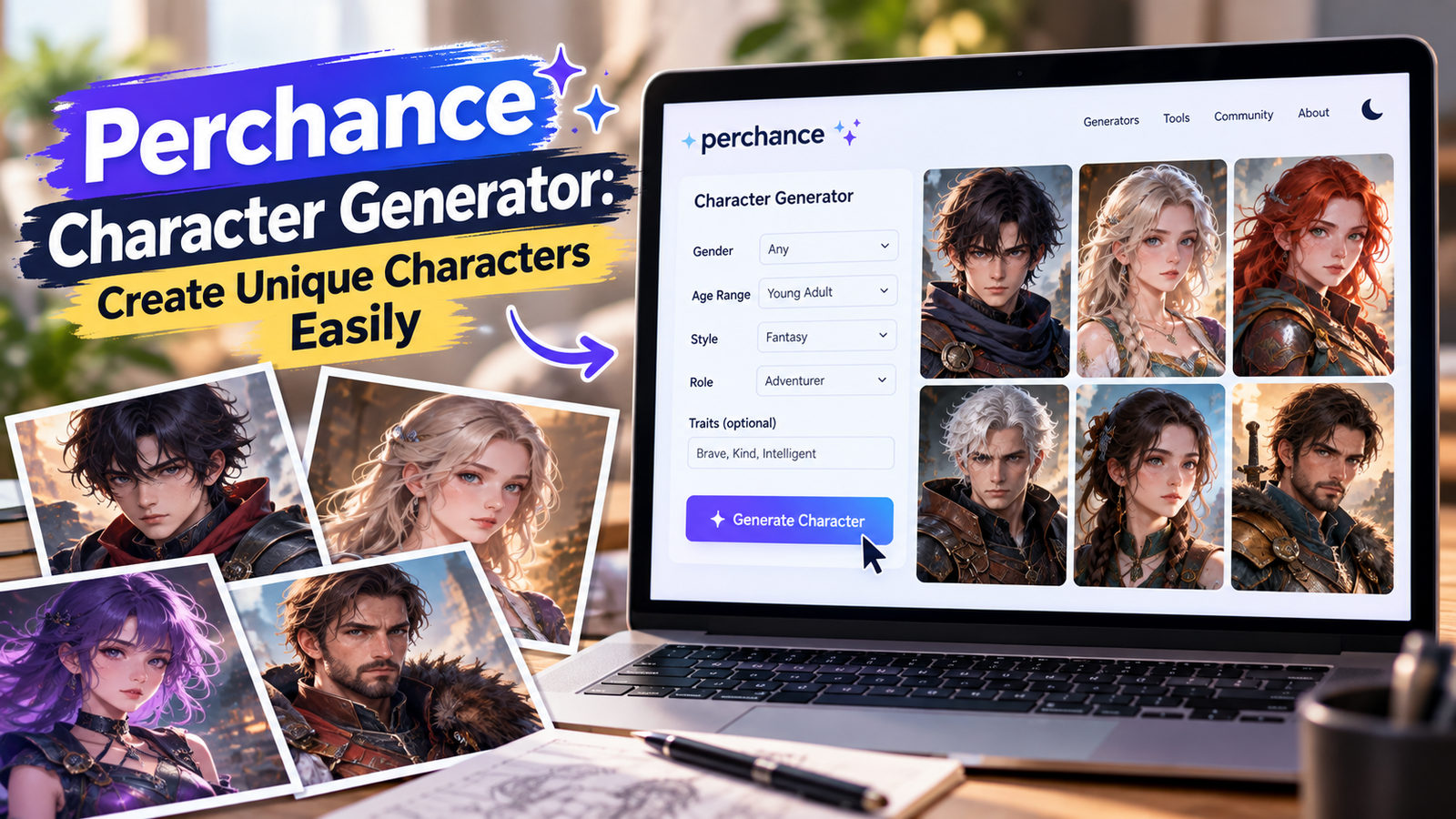
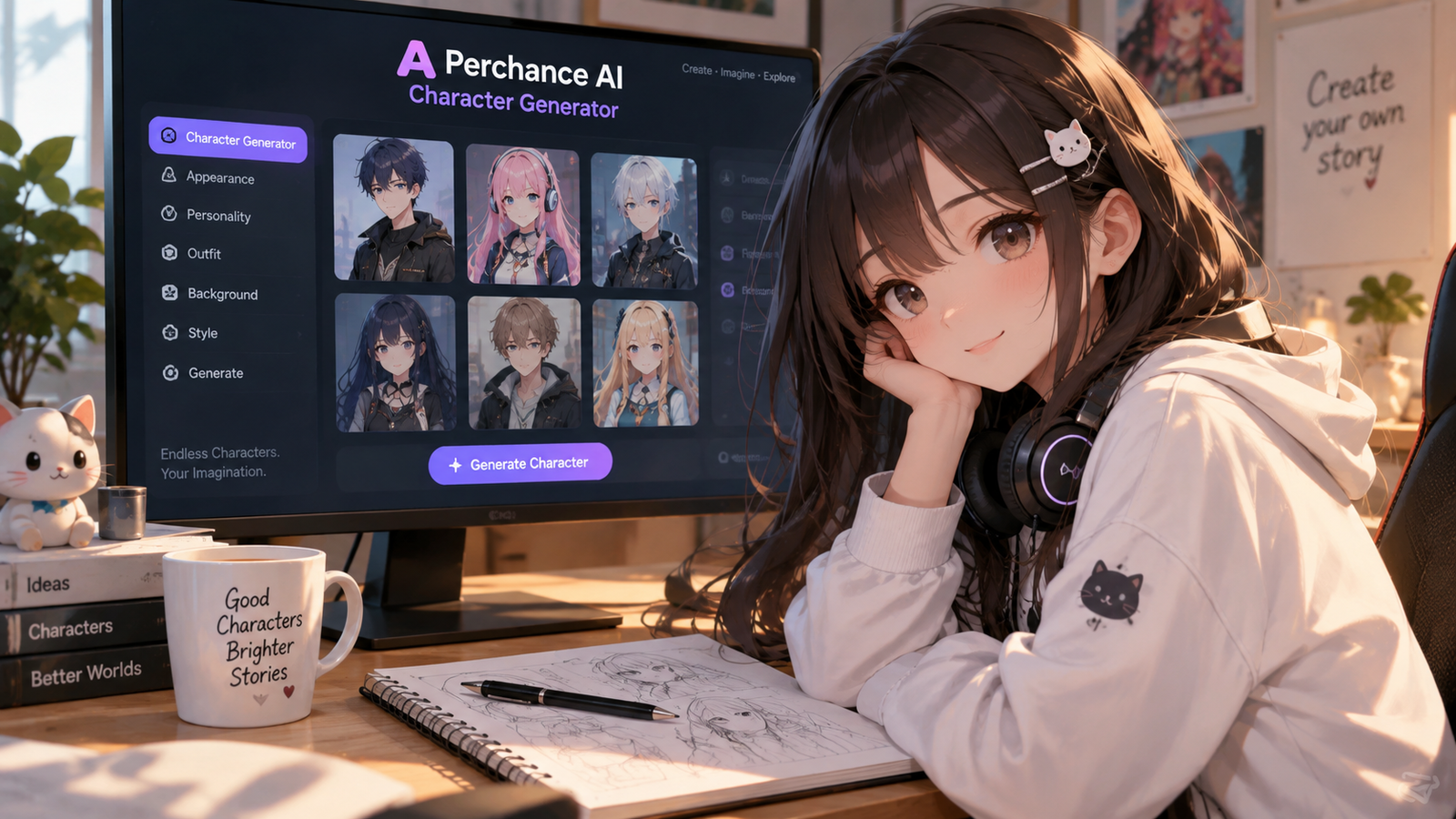
The perchance character generator is a useful tool for creating original character ideas quickly. It can help writers, gamers, artists, roleplayers, and creative users develop fresh concepts without starting from a blank page. Instead of deciding every detail manually, a generator can combine different traits, appearances, personalities, backgrounds, and other ideas. This makes character creation faster and more enjoyable. Whether you need a fantasy hero, mysterious villain, fictional friend, or roleplay character, the tool can provide inspiration. However, the best results usually come from editing the generated idea afterward. This guide explains how character generators work, what they offer, and how to use them effectively.
What Is the Perchance Character Generator?
The perchance character generator is designed to help users create fictional character concepts through generated combinations. Depending on the generator being used, results may include names, ages, personalities, physical traits, occupations, abilities, interests, or backgrounds. These details can give you a starting point for developing a complete character. The generated result does not need to become your final character. Instead, you can treat it as creative inspiration and change anything that does not fit your project. This approach is especially helpful when you have a story idea but cannot decide who should appear in it. A random combination can sometimes create unexpected and interesting possibilities.
Character generators are also useful because they reduce repetitive brainstorming. Creating dozens of characters manually can take considerable time, especially for large fictional worlds. A generator can quickly produce different combinations that you can review and refine. For example, you might generate a calm detective with an unusual hobby, then build a mystery story around that concept. Another result could inspire a fantasy warrior with a complicated family history. The important point is that generated information should support your creativity rather than replace it. You remain responsible for choosing suitable traits, fixing inconsistencies, and shaping the character into something meaningful for your story.

How Does a Character Generator Work?
A character generator generally works by combining predefined categories of information. These categories may contain names, personality traits, appearances, occupations, locations, hobbies, relationships, abilities, and other character elements. When you generate a result, different entries can be selected and combined into one character concept. This process creates variety because the same categories can produce many possible combinations. Some generators may offer additional options that let users influence the type of character they want. Understanding these categories helps you get better results because you can identify which details are useful for your particular creative project.
The basic process is usually simple and beginner-friendly. You start by choosing a generator or character format that matches your needs. Next, you generate a character and review the information provided. If the result does not work, you can generate another one or modify individual details. A useful workflow is to keep the strongest traits and remove anything that feels unnecessary. You can then expand the character with your own ideas. For example, a generated personality might become the foundation for a deeper backstory. This makes random generation a practical brainstorming method rather than simply producing disposable character descriptions.
Key Features to Look For
A good character generator should provide enough variety to make repeated results useful. Names and basic descriptions are helpful, but detailed character information can provide more creative value. Useful categories may include personality, appearance, occupation, relationships, interests, goals, strengths, weaknesses, and background. When several categories work together, you can develop a character who feels more complete. However, more information is not always better. Too many random details can make a character confusing. The ideal result gives you enough material to begin writing while leaving room for your own creativity. Always focus on the details that actually support your story, game, or creative project.
Another useful feature is flexibility. Some users only need a name and personality, while others want a complete fictional profile. A flexible generator allows you to use only the information you need. You may also want to regenerate results when a combination feels unsuitable. This is particularly useful during brainstorming because your first result may not match your original idea. Think of each generated result as a creative suggestion. You can combine parts from several results to create something stronger. For example, one character might provide an interesting personality, while another provides an appealing background. Combining those ideas can produce a more original final concept.
How to Create Better Characters
Using the perchance character generator is only the beginning of the creative process. Once you receive a result, examine each detail carefully. Ask whether the personality matches the character’s background and goals. Consider whether the occupation makes sense with their skills and lifestyle. Also check whether their strengths and weaknesses create interesting conflicts. These questions can turn a basic generated profile into a believable fictional person. You should not feel obligated to keep every generated detail. Removing unsuitable information is often necessary because random combinations may not always create logical or emotionally convincing characters.
A strong character usually needs motivation and conflict. Give the character something they want and something that prevents them from achieving it. For example, a talented musician might want public recognition but fear performing in front of large audiences. A detective could be highly observant but struggle to trust other people. These contrasts make characters more interesting because they create opportunities for development. After generating basic traits, write a short paragraph explaining the character’s main goal, biggest challenge, and important relationship. This simple exercise can transform a random concept into a useful foundation for a story, roleplay session, game, comic, or creative writing project.

Perchance Character Generator for Writers
Writers can use character generation to overcome one of the most common creative problems: not knowing where to begin. A generated character can introduce an unexpected personality, background, or relationship that changes the direction of a story. Instead of creating every character from scratch, writers can use generated ideas as brainstorming material. This works particularly well when developing supporting characters. A minor character may initially seem unimportant, but an unusual trait could inspire an entire subplot. The perchance character generator can therefore become part of a larger writing workflow that includes outlining, research, drafting, editing, and character development.
For fiction writers, consistency should remain a priority after generation. A character may have an interesting appearance but a personality that does not match the intended story. In that situation, adjust the details instead of forcing everything into the narrative. You can also use generated characters to test different story possibilities. Create several concepts, compare their motivations, and select the one that creates the strongest conflict. For more writing ideas, readers can also explore related topics such as creative writing techniques, story ideas for beginners, and how to build fictional characters. These resources can help turn a simple generated concept into a stronger narrative.
Using Generated Characters for Roleplay
Roleplayers can benefit from character generators because they often need detailed personalities quickly. A generated character can provide a name, personality, appearance, occupation, interests, and background for a new roleplay scenario. This is especially helpful when starting a campaign or creating several supporting characters. Instead of spending hours deciding every small detail, players can generate a foundation and customize it. For example, a roleplay character might begin as a traveling merchant with a secretive personality. The player can then decide why the merchant travels, what they are hiding, and how they interact with other characters.
However, roleplay becomes more enjoyable when generated characters have clear motivations. A list of random traits does not automatically create a believable personality. Add personal goals, fears, values, habits, and relationships to give the character direction. Consider how the character reacts under pressure and how they treat people they trust. You can also create character rules for consistency. For example, a cautious character might avoid unnecessary risks, while an ambitious character may accept dangerous opportunities. Using these behavioral details helps you portray the character naturally during roleplay. The generator provides the starting point, while your decisions give the character personality and purpose.
Character Generation for Games and Creative Projects
Game developers can also use character generators during early concept development. When a project needs many characters, generating basic ideas can speed up brainstorming. Designers might use generated information for shopkeepers, enemies, companions, villagers, background characters, or temporary concepts. These results can then be reviewed by the development team. Important characters should receive deeper development because their personalities, motivations, and relationships may affect gameplay. Generated ideas are most useful during the early stages when teams need many possibilities before selecting the strongest concepts for further development.
The same approach can work for comics, illustrations, animation, fan fiction, and personal creative projects. Artists may use generated character traits to inspire clothing, personalities, poses, or visual themes. A simple character concept can become a visual reference after the artist develops its appearance more carefully. For example, a generated character described as an adventurous historian could inspire clothing, props, locations, and story scenes. The key is to use generation as an idea-building process. Always review the result and make creative decisions yourself. This produces more purposeful characters than simply copying a randomly generated description without refinement.
Simple Character Creation Workflow
A practical workflow can make character generation much more effective. Start by deciding what type of character you need and where the character will be used. Then generate several possibilities instead of accepting the first result immediately. Compare their personalities, backgrounds, motivations, and conflicts. Keep the details that fit your project and remove those that feel unnecessary. After that, write a short character summary explaining who the character is and what they want. Finally, add relationships and challenges that connect the character to the larger story. This process keeps generation simple while still giving you control over the final creative result.
Character Creation Flow
Choose Character Type
        ↓
Generate Character Ideas
        ↓
Review Traits and Background
        ↓
Keep Useful Details
        ↓
Add Goals and Conflicts
        ↓
Develop Relationships
        ↓
Create Final Character
The workflow above shows why a generator should be treated as a starting tool. Random information becomes useful only when it connects to a clear creative purpose. If a result feels incomplete, add your own details instead of generating endlessly. You can also combine several generated characters to create a stronger concept. For instance, take one character’s background, another character’s personality, and a third character’s goal. Then rewrite the combination so everything feels connected. This method gives you more control while preserving the surprise that makes random character generation enjoyable. It also helps prevent characters from feeling generic, predictable, or disconnected from the story.
Benefits and Limitations of Character Generators
One major benefit of the perchance character generator is speed. It can provide creative prompts within moments, making it useful when you need ideas quickly. It can also introduce combinations you might not normally consider. This element of surprise can help writers escape creative blocks and explore new directions. Character generation can also reduce repetitive brainstorming, especially when you need many background characters. Another advantage is accessibility. Beginners can experiment with character creation without needing advanced writing knowledge. However, the generated information should still be reviewed carefully. Random output can be useful, but it does not automatically produce a complete or well-written character.
There are also limitations to consider. Generated characters may contain conflicting traits, weak motivations, or details that do not fit the intended setting. Some results may feel too generic because common character traits appear frequently in random combinations. For professional projects, human editing remains important because characters need consistency, emotional depth, and purpose. Another limitation is that random generation cannot understand your entire story unless you provide that context through your own creative process. Therefore, the best approach is balanced. Use generation for inspiration, then apply human judgment to improve the character. This combination usually creates better results than relying entirely on random output.
Tips for Getting More Useful Results
The perchance character generator becomes more useful when you approach it with a specific goal. Before generating anything, decide whether you need a protagonist, villain, side character, romantic interest, teammate, or background character. Think about the story’s genre and setting as well. A modern detective needs different traits from a medieval fantasy wizard. Once you know the purpose, you can judge generated details more effectively. It is also helpful to generate multiple options and compare them. Do not choose a character simply because the description sounds interesting. Choose the concept that creates opportunities for conflict, development, relationships, and meaningful scenes.
Another useful technique is controlled editing. Keep the surprising elements that make a character memorable, but change details that do not make sense. You can also give every important character a simple goal, fear, strength, weakness, and personal conflict. These five elements provide a strong foundation for further development. Avoid making every character perfect because weaknesses create opportunities for growth. Similarly, avoid giving everyone the same personality. Differences make relationships and conversations more interesting. Once your character feels complete, place them into a short scene and observe how they behave. If their actions feel natural, the concept is probably ready for your project.
FAQ About Perchance Character Generator
What is the Perchance character generator used for?
The tool can help users create fictional character ideas quickly. Depending on the generator, results may include names, personalities, appearances, backgrounds, occupations, interests, and other traits. Users can then edit those details and develop the generated concept into a character for writing, roleplay, games, comics, or other creative projects.
Is the Perchance character generator free to use?
Many Perchance generators are available for users without requiring payment. However, individual generators can have different features and configurations. Availability may change depending on the specific generator. Always review the current generator interface and options before assuming that every feature works the same way across different character-generation pages.
Can writers use generated characters for stories?
Yes. Writers can use generated characters as brainstorming material for stories. A generated result can provide personality traits, backgrounds, conflicts, or relationships that inspire new scenes. Writers should edit the result carefully so the character fits the story’s setting, tone, plot, and overall character development.
Can I customize a generated character?
Customization depends on the specific generator being used. In general, users can take the generated concept and manually change details afterward. You can modify names, personalities, backgrounds, appearances, motivations, or relationships to better match your project and make the final character more purposeful.
Are generated characters automatically original?
Not necessarily. Randomly combining common traits does not guarantee complete originality. A generated character should be treated as an idea rather than a finished creative work. Review the result, add your own concepts, and develop a distinctive personality, background, motivation, and story role before using it in an important project.
Conclusion
The perchance character generator can be a practical starting point for creating fictional characters and exploring new ideas. It saves brainstorming time and can introduce combinations that you might not think of yourself. However, generation works best when combined with human creativity and careful editing. Start with a clear purpose, generate several ideas, and keep only the details that support your project. Then add goals, weaknesses, motivations, relationships, and conflicts to make the character feel believable. Whether you are writing a story, developing a game, planning roleplay, or creating artwork, generated ideas can provide useful inspiration. The final character becomes stronger when your creativity shapes the result.



























1 comment on “Perchance Character Generator: Create Unique Characters Easily”